Classes Marked (*) can be Presented virtually or in-person.
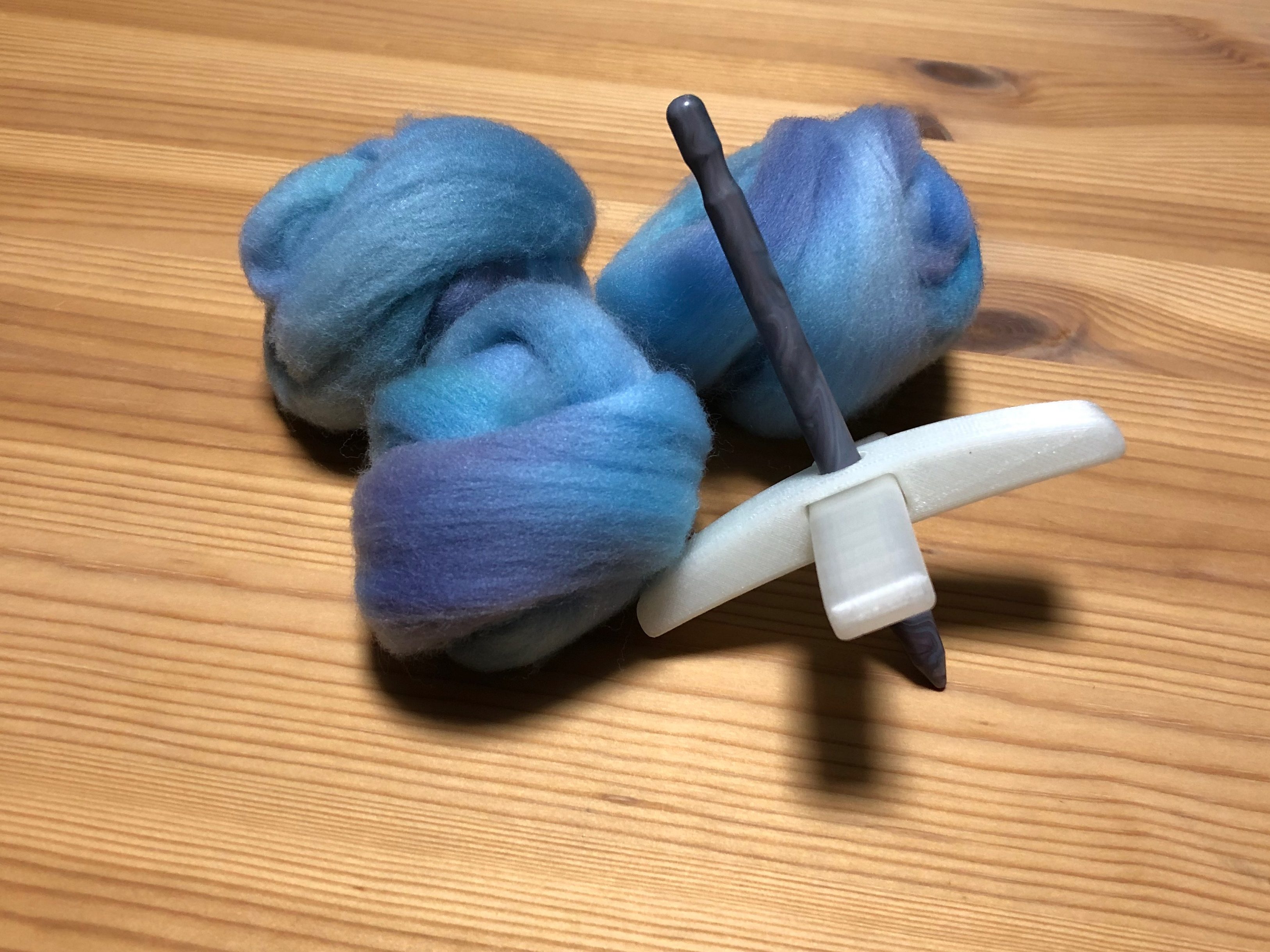
Beginning Spindle Spinning
Would you like to try spinning for the first time? Do you have a spindle you need some help with? Have you tried spindling on your own with limited success? Would you like to try spinning, but aren’t ready to commit to the investment of money or space for a spinning wheel?
Spinning on a spindle is a great way to try spinning fiber into yarn. Spindles are small to store, immensely portable, charming and warning: very easy to collect! Some love spinning yarn on a spindle so much, it is their primary spinning tool (even after they have gotten a wheel!). This class is for a new spinner looking to learn about spindles, how to start spinning on a spindle, how to prepare your fiber to spin, what fibers to seek out when you are starting out and how to best use a spindle ergonomically.

How to Choose a Spinning Wheel*
Double Drive? Scotch tension? Irish tension? Whorls? Ratios? Treadles? New? Used? Castle? Saxony? With all these words to describe spinning wheels, how can you know what makes a good wheel for YOU? In this class, we will go over what all these words (and more!) mean for you when it’s time to shop for a spinning wheel.
SPINNING 100
This class is the best place to learn (or relearn) to spin!
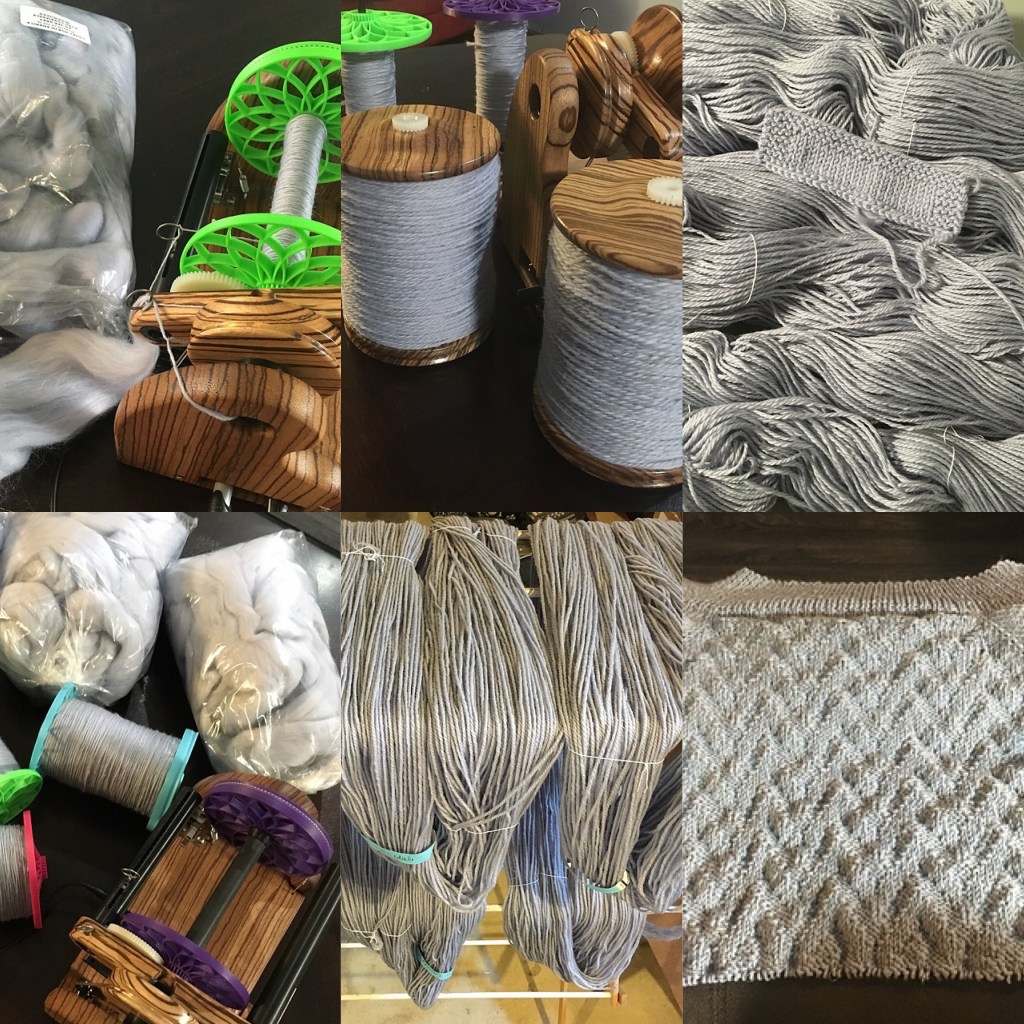
First, we will get to know your equipment, including wheel mechanics, adjustment, cleaning & maintenance. We will talk about how to choose a good seat to spin from and ergonomics to keep you spinning for years to come. Next, we’ll discuss how to set up your wheel for each new spin, how to choose & prepare your fiber to spin. Once our fiber is prepared, we’ll learn to draft and spin! After you’ve learned how to spin a continuous single, the next step to ply your yarn. We will talk about how to prepare your singles for plying and what to look for in a lazy kate. We’ll learn how to create 2-ply, 3-ply, and chain-plied yarns. We’ll also cover what to do if you ply your yarn the wrong way. In the last class, we’ll wet finish your plyed yarn. Have you ever heard a fiber person say, “It’s not finished until it’s wet finished!”? You’ll learn why wet finishing is important and several different ways to wet finish your yarn.

What to do with Handspun or Mystery Yarn?*
Everyone has unknown yarns in their stash: yarns that have lost their labels, yarns that were gifts with no detail attached, precious handspun that you aren’t sure what to do with… Learn how to sleuth out details about mystery yarn that will help you transform it from unidentified stash into beautiful finished objects!
In this class, we will discuss ways to determine the construction, weight and yardage of your yarn, clues to fiber content, how to pair handspun or mystery yarn with a known commercial yarn, how to choose an appropriate craft for your yarn, and how to best utilize Ravelry to choose a project that will maximize your yardage without playing a round of dreaded yarn chicken!
Please bring a skein of handspun or mystery yarn from your stash, pen/pencil and paper, your notions bag or tool kit (scissors will be helpful!). If you have them, bring a WPI tool or ruler, kitchen scale (measuring in grams), niddy noddy, and a tablet or iPad if you are tech savvy or a Ravelry user. I will have a computer there for reference as well!
How do I spin this?!
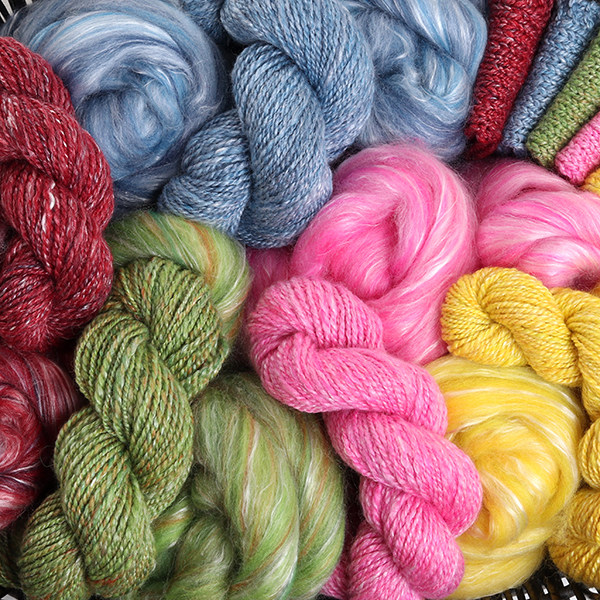
Braids, roving, batts, top, sliver, rolags, punis… So many words to describe fiber ready for spinning! While it would be simpler if fiber were JUST FIBER, these words mean a world of difference for the experience you will have spinning! Do you know how to pair your fiber type with your drafting methods? Have you heard of spinning long draw? What about short draw? From the fold? What about pre-drafting? Attenuating? Stripping your fiber?
How you prepare, pre-draft and draft your fiber makes a huge difference in your experience while you spin AND the character of your finished yarn. In this class, we will talk about the difference between these fiber preparations; when you might choose to pre-draft, strip or attenuate your fiber before spinning; what type of preparation is best suited to what drafting technique; drafting techniques including short draw, long draw, & spinning from the fold; practice the mentioned drafting techniques; AND clarify the words ‘worsted’ and ‘woolen’!

Combo Spins*
Hand-painted rovings are so beautiful and so tempting! Do you have lots of single braids of fiber? Those single braids add up fast; Are they are reproducing like bunnies or tribbles in your stash area!?! Do your braids tend to fall into your favorite color families like mine? Have you ever wanted to spin for a large project, but looked at your stash to find you are short on fiber in any one color way to make enough yarn? You aren’t alone!
In this workshop, Donita will get you started on your own combo spin journey. First, we will talk about how to choose your fiber. Once you have narrowed down your fiber choices, Donita will walk you through preparing your fiber to spin. Once our fiber is prepared, we will talk about how to plan your spin. Finally, we will organize our bins of fiber and dive in!
 Donita Westman